
Introduction
Having a website is essential for businesses that want to establish a strong online presence. However, simply having a website does not guarantee more enquiries, qualified leads, or sales. A website may attract hundreds of visitors but still fail to generate meaningful business results if it does not guide users towards taking action.
This is where website conversion becomes important. Website conversion refers to turning website visitors into people who complete a desired action, such as submitting an enquiry form, booking a consultation, requesting a quotation, signing up for a service, or making a purchase.
For businesses looking to grow online, a website should do more than display information. It should communicate value, build credibility, answer customer questions, and make the next step clear.
A well-planned, conversion-focused website can help businesses make better use of their online traffic and create more opportunities for sustainable growth.
1. What Is Website Conversion?
Website conversion occurs when a visitor completes an action that supports a business goal. The desired action depends on the company’s products, services, and target audience.
For an e-commerce business, a conversion may mean completing a purchase. For a software development company, it could mean submitting a project enquiry or scheduling a discovery call. For a consulting firm, it may involve downloading a resource or requesting a consultation.
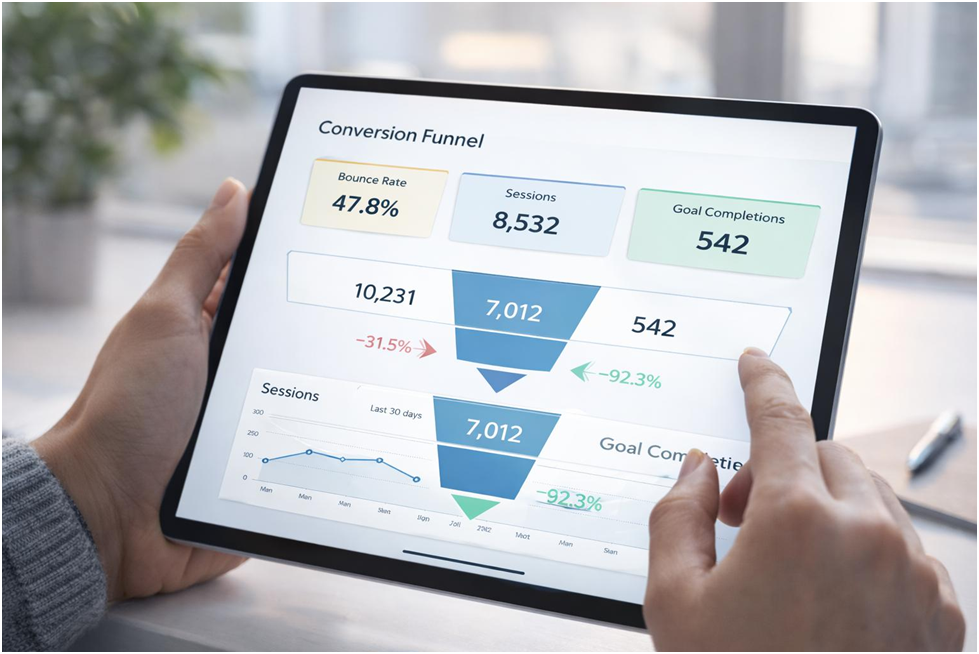
The website conversion rate is generally calculated by dividing the number of conversions by the number of relevant website visits or sessions, then multiplying the result by 100.
For example, if a website receives 1,000 sessions and generates 30 conversions, its session-based conversion rate is 3%.
Understanding this metric helps businesses evaluate whether their website is effectively encouraging visitors to take action. However, conversion quality also matters. Generating relevant enquiries from potential customers is often more valuable than collecting a large number of unqualified leads.
2. Turn Website Traffic into Business Opportunities
Driving traffic to a website requires time, effort, and investment. Businesses may use search engine optimization, social media marketing, paid advertising, email campaigns, and other digital marketing strategies to attract visitors.
However, attracting visitors is only one part of the process. If the website does not explain the service clearly or provide an easy way to make contact, potential customers may leave without taking action.
A conversion-focused website connects traffic with business objectives. It provides relevant information, highlights the benefits of a product or service, and guides visitors towards the next step.
For example, a company offering custom software development can create dedicated service pages explaining its development process, project capabilities, and business benefits. A clear enquiry form can then help interested visitors discuss their requirements.
By improving this journey, businesses can create more opportunities from the traffic they already receive.
3. Build Trust and Credibility with Potential Customers
Before contacting a business, many customers visit its website to evaluate its credibility. They want to understand what the company offers, whether it has relevant expertise, and whether it can meet their requirements.
A poorly structured website, outdated information, broken links, or unclear service descriptions can create uncertainty and discourage potential customers.
A professional website helps establish trust through consistent branding, accurate information, clear communication, and a well-organized layout.
Businesses can strengthen credibility by including:
- Clear descriptions of products and services.
- Genuine client testimonials and reviews.
- Relevant case studies and project examples.
- Company information and contact details.
- Transparent explanations of processes and deliverables.
- Useful articles that demonstrate industry knowledge.
These elements help visitors make informed decisions. Rather than relying only on promotional claims, businesses can demonstrate their capabilities through relevant information and evidence.
Trust is especially important for companies offering high-value services, where customers may need to evaluate several providers before making a decision.
4. Improve User Experience to Encourage Action
User experience plays an important role in website conversion. Even when visitors are interested in a service, a confusing or frustrating website can prevent them from completing an action.
A positive user experience allows visitors to find information quickly and move through the website without unnecessary obstacles.
Businesses should focus on intuitive navigation, readable content, consistent design, accessible forms, and clear page structures. Important information should be easy to locate, while unnecessary distractions should be minimized.
For example, if a visitor wants to request a quotation, the website should make that option easy to find. A lengthy form asking for irrelevant details may discourage users from completing it.
Instead, businesses can request essential information first and collect additional details during a follow-up conversation.
A simple, user-friendly experience helps reduce friction and makes it easier for interested visitors to become leads or customers.

5. Use Clear Calls to Action
A call to action (CTA) tells visitors what they can do next. Without a clear CTA, users may understand a business’s services but remain uncertain about how to proceed.
Effective CTAs use direct, relevant language that matches the visitor’s intent.
Examples include:
- Request a Free Consultation
- Get a Project Estimate
- Book a Discovery Call
- Explore Our Services
- Contact Our Team
- Start Your Project
The right CTA depends on the type of business and the stage of the customer’s decision-making process.
For example, someone researching software development options may prefer to explore service details before requesting a quotation. A visitor who has already reviewed a company’s portfolio may be ready to discuss a project.
Businesses should position CTAs where they naturally support the customer journey, such as after service explanations, near relevant case studies, or at the end of a landing page.
Testing different CTA messages, placements, and designs can help identify which approaches generate better results.
6. Make Your Website Mobile-Friendly
Customers use smartphones, tablets, and desktop computers to research businesses and compare services. A website that performs poorly on mobile devices can create barriers for a significant portion of its audience.
Mobile-friendly website design ensures that content adjusts to different screen sizes and remains easy to navigate.
Important considerations include readable text, appropriately sized buttons, responsive layouts, fast-loading pages, and forms that are simple to complete on smaller screens.
For example, a contact button that is difficult to tap or a form that requires excessive scrolling may discourage mobile visitors from submitting an enquiry.
Businesses should test important pages across different devices and screen sizes. They should also check that images, menus, forms, and CTAs function correctly.
A consistent experience across devices allows customers to interact with the business whenever and wherever they choose.
7. Improve Website Speed and Technical Performance
Website performance can influence both user experience and conversion outcomes. Slow-loading pages may frustrate visitors, interrupt browsing, and reduce the likelihood that they will complete important actions.
Several factors can affect website speed, including oversized images, unnecessary scripts, inefficient code, excessive third-party integrations, and unsuitable hosting configurations.
Businesses can improve performance by compressing images, reducing unnecessary scripts, enabling suitable caching, and optimizing their website’s technical structure.
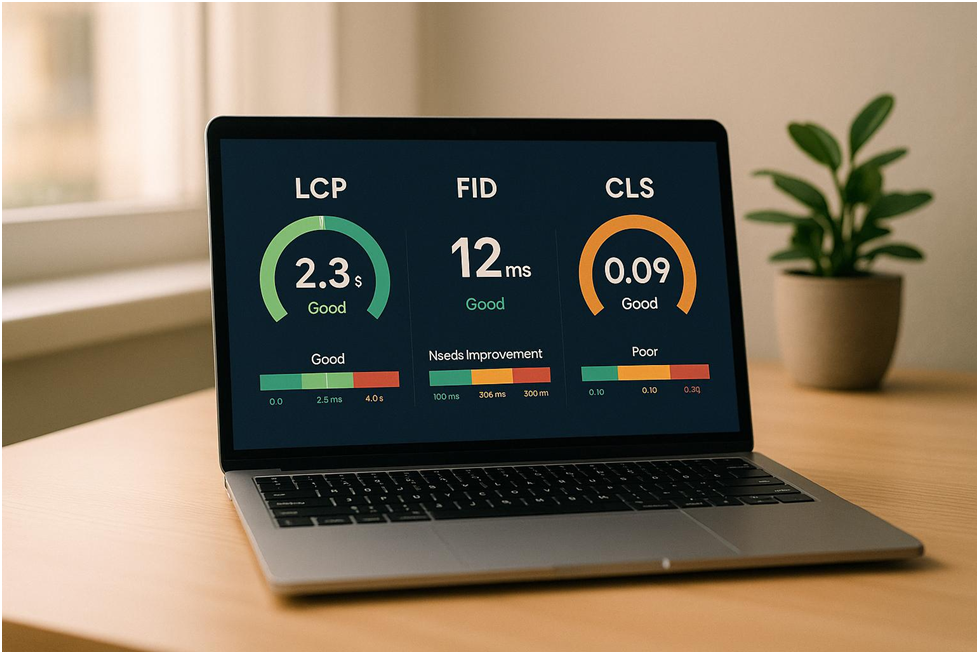
It is also important to monitor Core Web Vitals, which provide insights into loading performance, responsiveness, and visual stability.
Technical improvements should be evaluated alongside real user behaviour. A fast website is valuable, but performance alone cannot guarantee conversions. Visitors also need relevant content, a clear value proposition, and a straightforward path to action.
Combining technical optimization with effective design creates a stronger foundation for website conversion.
8. Create Content That Addresses Customer Needs
Website content should answer the questions potential customers have before making a decision.
Visitors may want to understand what a service includes, how it works, what problems it solves, how long implementation takes, or what factors influence pricing.
If the website fails to address these questions, visitors may leave to search for answers elsewhere or explore competing businesses.
Useful content can include service pages, FAQs, comparison guides, case studies, industry insights, and educational blog articles.
For example, a technology company could publish content explaining how custom software helps streamline business operations. It could then direct readers to a relevant service page where they can explore solutions and submit an enquiry.
Search engine optimization can help this content reach people searching for relevant information. However, content should be written primarily to help the target audience rather than simply repeat keywords.
By connecting useful information with relevant services and clear CTAs, businesses can support customers throughout their decision-making journey.
9. Measure, Test, and Optimize Conversion Performance
Website conversion optimization is an ongoing process rather than a one-time design task.
Businesses need to understand how visitors interact with their website, where they encounter difficulties, and which pages contribute to meaningful business outcomes.
Useful metrics include:
- Conversion rate: The percentage of sessions or visitors that complete a defined action, depending on the measurement method.
- Lead form completion: The number of users who successfully submit enquiry forms.
- Landing page performance: How effectively a particular page encourages its intended action.
- Traffic sources: The channels that bring visitors to the website.
- Engagement metrics: Measurements that help explain how users interact with content.
- Lead quality: The relevance of enquiries to the business’s target customers.
Analytics tools can help identify areas that require improvement. For instance, if a service page receives substantial traffic but generates few enquiries, the business could review the page’s messaging, CTA placement, content relevance, or form experience.
A/B testing can also help compare different versions of headlines, CTAs, page layouts, or forms when sufficient traffic is available.
Businesses should make changes based on evidence and evaluate whether those changes improve meaningful outcomes, not just clicks.
10. Why Businesses Need Professional Website Development
Building a conversion-focused website requires more than attractive visuals. It involves aligning business goals, customer expectations, content strategy, user experience, and technical performance.
Professional website development can help businesses create a digital platform that supports their specific requirements. Depending on the project, this may include responsive design, custom functionality, service pages, lead generation forms, content management systems, analytics integration, and technical SEO foundations.
A professional development team can also help identify opportunities to simplify customer journeys and improve the website’s overall structure.
Before development begins, businesses should define their target audience, primary conversion goals, required features, and success metrics. This creates a clearer direction for both design and implementation.
The result should be a website that reflects the brand, supports business operations, and makes it easier for potential customers to take the next step.

Conclusion
A business website should do more than establish an online presence. It should help visitors understand the company’s value, build confidence in its services, and take meaningful action.
By improving website conversion, businesses can make better use of existing traffic, generate relevant enquiries, strengthen customer trust, and create a more effective digital experience.
From mobile-friendly design and fast-loading pages to compelling content and clear calls to action, every element should contribute to the visitor’s journey.
The most effective approach combines thoughtful planning, professional development, ongoing measurement, and continuous improvement. Businesses that treat their website as an active part of their growth strategy are better positioned to turn online interest into valuable opportunities.
Build a Website That Supports Your Business Growth
At Arav Innovations, we help businesses develop digital solutions that align with their goals and customer needs. Whether you need a professional business website, a custom web application, or an improved digital experience, the right solution starts with understanding your requirements.
A well-designed website can help your business communicate its value, connect with potential customers, and create more opportunities for growth.