
Introduction
Cloud computing has become an essential part of modern business operations. Companies use cloud platforms to store information, manage applications, support remote teams, analyze data, and deliver digital services. While cloud technology offers flexibility and scalability, it also introduces security challenges that businesses must manage carefully.
As organizations prepare for 2027, cloud security risks deserve greater attention. Cybercriminals continue to exploit weak credentials, software vulnerabilities, misconfigured cloud resources, and gaps in security monitoring. The growing use of artificial intelligence (AI), automated systems, and interconnected applications also creates new areas that require protection.
According to Google Cloud’s 2026 security guidance, weak credentials and misconfigurations remain important cloud security concerns. This reinforces the need for businesses to strengthen their security foundations rather than relying entirely on cloud service providers.
Preparing for these challenges requires more than installing security software. Businesses need a clear security strategy, continuous monitoring, effective access controls, and a reliable incident response plan.
Here are the top 10 cloud security risks businesses should prepare for in 2027 and the practical steps organizations can take to reduce their impact.

1. Cloud Misconfiguration
Cloud misconfiguration is one of the most common security challenges organizations face. A small mistake in a cloud environment can unintentionally expose sensitive information or create an entry point for attackers.
For example, a company might accidentally make a storage bucket publicly accessible, leave a database exposed to the internet, or configure network permissions incorrectly.
These mistakes can occur during new deployments, software updates, or changes to existing infrastructure.
How Businesses Can Prepare
- Regularly review cloud configurations and security settings.
- Restrict public access to databases and storage resources.
- Use automated cloud security posture management tools where appropriate.
- Apply secure configuration templates before deploying new resources.
- Monitor configuration changes and investigate unexpected modifications.
Businesses should make security checks part of their everyday cloud operations instead of waiting for an incident to reveal a problem.
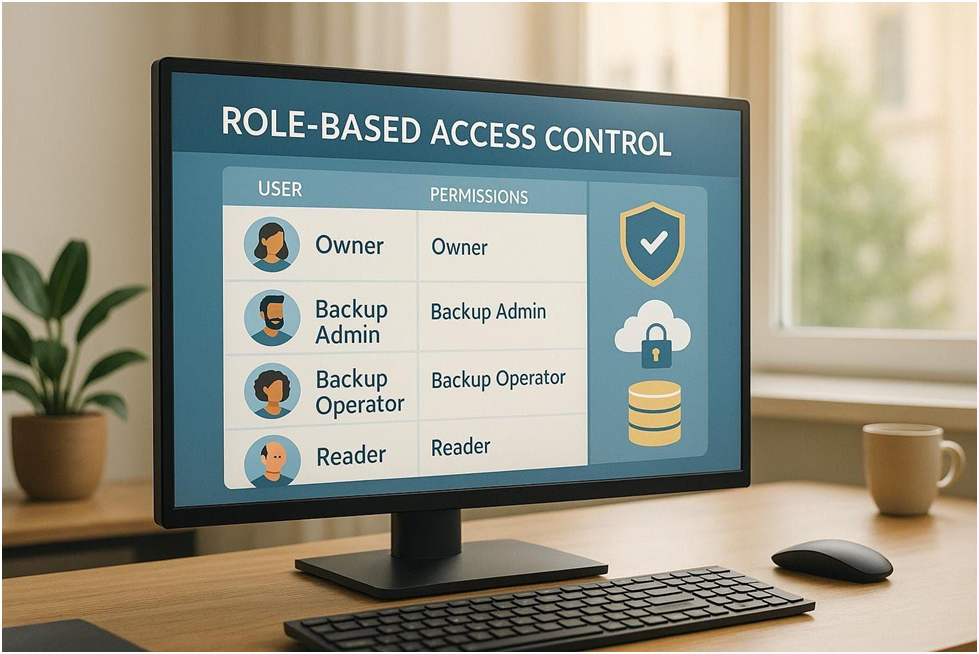
2. Weak Identity and Access Management
Cloud environments depend heavily on digital identities. Employees, administrators, applications, and automated services all require access to cloud resources.
If an attacker steals an employee’s credentials or compromises an administrator account, they may gain access to sensitive systems without directly attacking the cloud infrastructure.
Excessive permissions create another challenge. Employees may retain access to systems they no longer need, increasing the potential damage caused by compromised accounts.
How Businesses Can Prepare
- Enable multi-factor authentication (MFA), preferably phishing-resistant methods for privileged accounts.
- Apply the principle of least privilege.
- Review user permissions regularly.
- Remove inactive and unnecessary accounts.
- Use privileged access management for administrative activities.
A strong identity management strategy ensures that the right people and services have the right level of access at the right time.
3. Data Breaches and Sensitive Information Exposure
Businesses store valuable information in cloud environments, including customer records, financial documents, employee details, intellectual property, and confidential business information.
A data breach can occur when unauthorized users gain access through stolen credentials, vulnerable applications, excessive permissions, or exposed storage systems.
The consequences may include financial losses, reputational damage, customer distrust, and legal or regulatory issues.
How Businesses Can Prepare
- Classify information according to its sensitivity.
- Encrypt sensitive data both at rest and in transit.
- Implement data loss prevention controls where appropriate.
- Restrict access to confidential information.
- Monitor unusual data access, downloads, and transfers.
- Establish clear data retention and deletion policies.
Businesses should understand where their information is stored, who can access it, and how it is protected throughout its lifecycle.
4. Ransomware and Cloud Data Loss
Ransomware remains a serious cybersecurity threat. Attackers may compromise user accounts, exploit vulnerable applications, or gain access through third-party systems before attempting to encrypt, delete, or steal business data.
Cloud storage does not automatically make an organization immune to ransomware. If attackers obtain sufficient permissions, they may attempt to damage backups or delete important files.
A successful attack can interrupt operations, delay customer services, and increase recovery costs.
How Businesses Can Prepare
- Maintain regular, tested backups.
- Keep protected or immutable backup copies where suitable.
- Separate backup administration from ordinary user accounts.
- Monitor suspicious file changes and unusual deletion activity.
- Develop and test a ransomware incident response plan.
- Document recovery priorities for critical applications and services.
Backups are valuable only when businesses can restore their systems successfully. Regular recovery testing is therefore an essential part of cloud security planning.
5. Unpatched Software and Cloud Vulnerabilities
Cloud-hosted applications, virtual machines, containers, and third-party software may contain vulnerabilities that attackers can exploit.
When businesses delay security updates, known weaknesses can remain exposed for longer than necessary. Rapid development cycles may also introduce vulnerable dependencies into applications.
In 2027, organizations should treat vulnerability management as a continuous process rather than an occasional technical task.
How Businesses Can Prepare
- Maintain an inventory of cloud assets and software dependencies.
- Scan systems regularly for known vulnerabilities.
- Prioritize vulnerabilities based on severity, exposure, and business impact.
- Apply security patches promptly.
- Remove unsupported software and unnecessary services.
- Test applications and infrastructure before deployment.
A structured vulnerability management process helps businesses identify weaknesses early and reduce opportunities for exploitation.
6. Insecure APIs and Application Integrations
Application programming interfaces (APIs) allow websites, mobile applications, cloud platforms, and business systems to exchange information.
However, insecure APIs can expose sensitive data or allow unauthorized actions. Weak authentication, excessive permissions, poor input validation, and exposed API keys can create serious security gaps.
As businesses connect more applications and automate workflows, API security becomes increasingly important.
How Businesses Can Prepare
- Require strong authentication and authorization for sensitive APIs.
- Validate incoming requests and restrict unnecessary access.
- Store API keys and application secrets in secure secrets management systems.
- Rotate credentials when appropriate and revoke compromised keys immediately.
- Monitor API traffic for unusual activity.
- Test APIs for vulnerabilities before releasing updates.
Every integration should have a clear business purpose and appropriate security controls. Businesses should avoid assuming that an API is safe simply because it operates within a trusted application.
7. Third-Party and Supply Chain Security Risks
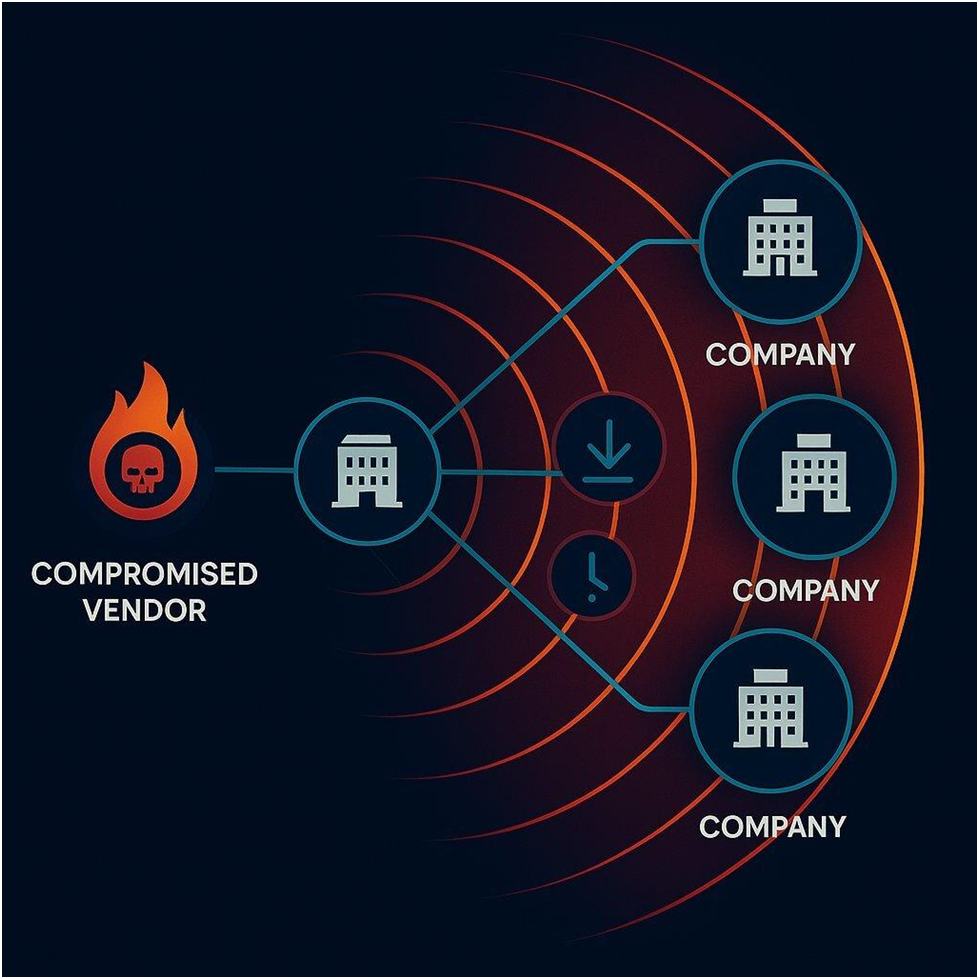
Organizations rarely operate in isolation. They depend on cloud service providers, software vendors, consultants, managed service providers, and external business applications.
A weakness in one of these third parties can affect connected systems and expose business information. For example, a compromised vendor account may provide attackers with access to resources belonging to multiple organizations.
Businesses must therefore understand the security risks associated with their wider technology ecosystem.
How Businesses Can Prepare
- Assess the security practices of important vendors.
- Limit third-party access to the systems required for their work.
- Review vendor permissions regularly.
- Include security requirements in supplier agreements.
- Monitor third-party integrations and access activity.
- Establish procedures for responding to supplier-related incidents.
Third-party security should be part of the overall risk management strategy, particularly when external providers handle confidential information or critical business operations.
8. AI-Driven Threats and AI Security Gaps
Artificial intelligence is becoming part of business workflows, customer support, analytics, software development, and automated decision-making.
While these technologies offer valuable opportunities, they also introduce new security concerns. Employees may unintentionally share confidential information with AI services. Poorly secured AI applications may expose sensitive data, while attackers can use AI to improve phishing messages and automate certain malicious activities.
AI systems connected to business data may also have excessive permissions or insufficient safeguards.
How Businesses Can Prepare
- Establish an AI usage and data protection policy.
- Approve AI tools before they are used with sensitive business information.
- Apply access controls to AI applications and connected data sources.
- Test AI systems for data exposure and unauthorized actions.
- Monitor AI integrations and their permissions.
- Train employees to recognize AI-assisted phishing and social engineering.
Businesses should adopt AI responsibly by combining innovation with clear governance, security testing, and human oversight.
9. Insufficient Monitoring and Incident Detection
A security incident can become more damaging when suspicious activity remains unnoticed.
Cloud environments generate logs and security events across applications, identities, networks, databases, and infrastructure. If these records are incomplete or not monitored effectively, businesses may struggle to identify unauthorized access or investigate an attack.
Monitoring is especially important when organizations operate across multiple cloud platforms or hybrid environments.
How Businesses Can Prepare
- Enable logging for important cloud services and administrative actions.
- Centralize security logs where practical.
- Configure alerts for suspicious account activity and configuration changes.
- Use security information and event management (SIEM) tools when appropriate.
- Review alerts and investigate unusual behavior.
- Test incident response procedures and define escalation responsibilities.
Effective monitoring helps organizations detect potential threats earlier, investigate incidents more efficiently, and make informed security decisions.
10. Compliance Failures and Unclear Cloud Responsibilities
Cloud service providers secure parts of their platforms, but customers still have responsibilities for areas such as identity management, data protection, application security, and configuration. The exact division depends on the service model and provider.
Misunderstanding these responsibilities can leave important security controls unmanaged.
Businesses may also struggle to maintain evidence, enforce internal policies, or meet applicable regulatory and contractual requirements as their cloud environments grow.
How Businesses Can Prepare
- Understand the shared responsibility model for each cloud service.
- Identify applicable legal, regulatory, and contractual requirements.
- Maintain documented security policies and procedures.
- Conduct regular risk assessments and control reviews.
- Keep evidence of important security activities.
- Review compliance whenever infrastructure or business processes change.
Compliance should not be treated as a once-a-year activity. Continuous governance helps organizations maintain visibility, accountability, and stronger security practices.
Best Practices for Building a Strong Cloud Security Strategy in 2027
Understanding cloud security risks is only the first step. Businesses also need a practical plan to manage them.
The following actions can help organizations establish a stronger foundation:
1. Assess the current cloud environment: Identify cloud accounts, applications, databases, storage resources, integrations, and sensitive information.
2. Prioritize the most important risks: Evaluate each risk according to its likelihood, potential impact, and business importance.
3. Strengthen access controls: Enforce MFA, reduce excessive permissions, and review privileged accounts.
4. Automate security checks: Use suitable tools to detect misconfigurations, vulnerabilities, and unexpected changes.
5. Protect and test backups: Maintain recovery procedures that support business continuity.
6. Establish incident response procedures: Define who responds to incidents, how systems are isolated, and how operations are restored.
7. Review security continuously: Reassess controls as applications, cloud services, threats, and business requirements evolve.
These steps can help businesses improve security without treating every new technology or threat as a reason to redesign their entire infrastructure.
How Arav Innovations Can Help Businesses Strengthen Cloud Security
At Arav Innovations, we recognize that secure technology is an important foundation for sustainable business growth.
As organizations expand their digital operations, they need technology strategies that consider security, operational efficiency, and long-term business objectives together.
A structured approach to technology and cybersecurity can help businesses identify weaknesses, improve their cloud security practices, strengthen risk management, and make more informed technology decisions.
Whether an organization is planning a cloud migration, developing a digital platform, improving existing IT infrastructure, or reviewing its cybersecurity strategy, the starting point should be a clear understanding of its business needs and security risks.
By focusing on practical solutions and continuous improvement, businesses can build technology environments that support innovation while protecting valuable information.
Conclusion
Cloud technology will continue to support business growth in 2027, but security cannot be treated as an afterthought.
From cloud misconfigurations and identity threats to ransomware, insecure APIs, AI-related risks, and compliance gaps, organizations must prepare for challenges that can affect their data, operations, and reputation.
The most effective approach combines preventive controls, continuous monitoring, regular assessments, employee awareness, and tested recovery procedures.
Businesses do not need to eliminate every possible risk to become more secure. They need to understand their most important risks, prioritize appropriate controls, and improve their security practices consistently.
Prepare your business for a more secure digital future with Arav Innovations.
Looking to strengthen your cloud security strategy or improve your business technology infrastructure? Connect with Arav Innovations to explore practical technology solutions aligned with your business goals.
Contact: info@aravinnovations.com
Website: https://aravinnovations.com