
Introduction
Businesses today depend heavily on digital technologies to manage operations, communicate with customers, store information, and deliver services. While digital transformation creates new opportunities for growth, it also introduces new security challenges.
Customer information, financial records, business documents, employee data, and other sensitive information are increasingly stored and managed through digital systems and cloud platforms. A single security weakness can potentially disrupt operations, expose sensitive information, and affect customer trust.
This is why cybersecurity and cloud solutions have become an important part of modern business strategy.
A strong cybersecurity approach is not only about responding to threats after they occur. It is about identifying vulnerabilities, protecting critical systems, managing access, and continuously improving the organization’s security posture.

Why Cybersecurity Matters for Modern Businesses
Cyber threats are becoming increasingly sophisticated as businesses become more dependent on technology. Organizations of all sizes can face risks such as phishing, malware, ransomware, unauthorized access, and data breaches.
The impact of a security incident can extend beyond technical problems. A cyberattack can affect productivity, customer relationships, business reputation, and operational continuity.
Implementing effective business cybersecurity solutions allows organizations to take a proactive approach to protecting their digital environment.
Instead of waiting for a security incident to happen, businesses can identify potential vulnerabilities and introduce appropriate controls to reduce risks.

The Growing Importance of Cloud Security
Cloud technology has changed how businesses store data, run applications, and collaborate with teams. It provides flexibility, scalability, and accessibility, allowing employees to access business resources from different locations.
However, moving business operations to the cloud does not automatically eliminate security risks.
Cloud security for businesses involves protecting cloud-based applications, data, accounts, infrastructure, and networks from unauthorized access and other threats.
Businesses should consider access controls, authentication, data protection, monitoring, backup strategies, and security policies when adopting cloud technologies.
A well-planned approach to cloud security solutions enables businesses to benefit from cloud technology while managing potential risks.

Common Cybersecurity Challenges Businesses Face
Modern organizations can face several cybersecurity challenges. Understanding these challenges is an important step toward building a stronger security strategy.
Weak Access Controls
If employees have unnecessary access to sensitive systems or information, the risk of unauthorized access can increase.
Businesses should establish appropriate permissions and regularly review user access to important systems and data.
Outdated Systems
Software and infrastructure that are not regularly updated may contain vulnerabilities that attackers can exploit.
Regular updates, security patches, and system monitoring are essential cybersecurity best practices for modern organizations.
Employee Awareness
Employees interact with emails, applications, websites, and business systems every day. A lack of cybersecurity awareness can increase exposure to phishing and other social engineering attacks.
Regular cybersecurity awareness training can help employees recognize suspicious activities and follow safer digital practices.
Data Protection
Businesses handle different types of sensitive information every day. Protecting this information requires appropriate security controls throughout its lifecycle.
Effective data security for businesses should consider how information is collected, stored, accessed, transferred, and protected.
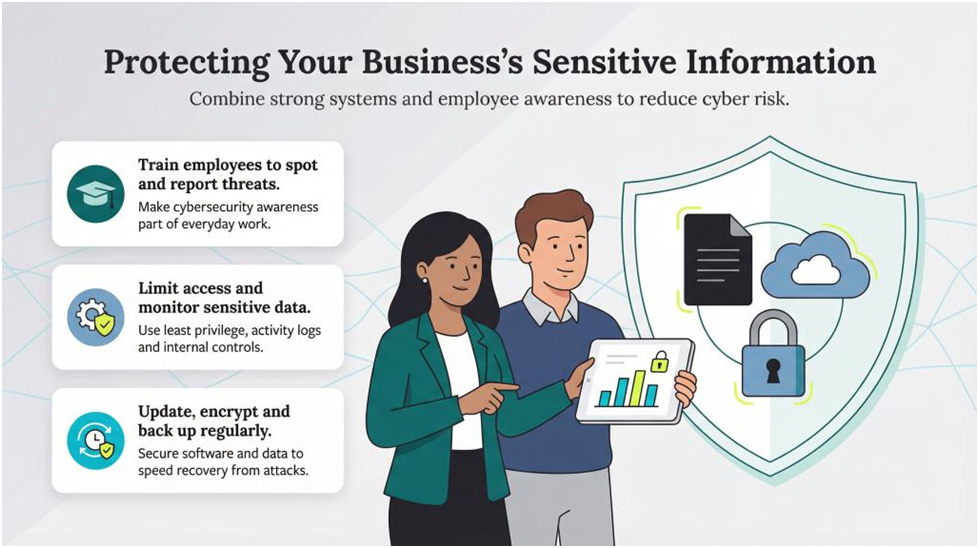
Cybersecurity Best Practices for Businesses
A strong cybersecurity strategy should involve multiple layers of protection rather than relying on a single security tool.
Some important cybersecurity best practices include:
- Conducting regular security assessments
- Implementing strong authentication and access controls
- Keeping software and systems updated
- Providing employee cybersecurity training
- Maintaining secure data backups
- Monitoring systems regularly
- Conducting vulnerability assessments
- Developing clear cybersecurity policies
- Preparing an incident response plan
These practices can help businesses identify weaknesses early and reduce potential security risks.
How Security Audits Help Identify Vulnerabilities
One effective way to understand an organization’s security position is through regular security assessments and audits.
A security audit can help identify weaknesses in systems, processes, access controls, and security policies. Vulnerability assessments can provide businesses with a clearer understanding of potential risks and help them prioritize security improvements.
At Arav Innovations, cybersecurity and IT strategy services focus on helping businesses assess their existing technology environment, identify potential risks, and develop suitable security strategies.
This assessment-first approach allows businesses to understand their current environment before implementing security improvements.

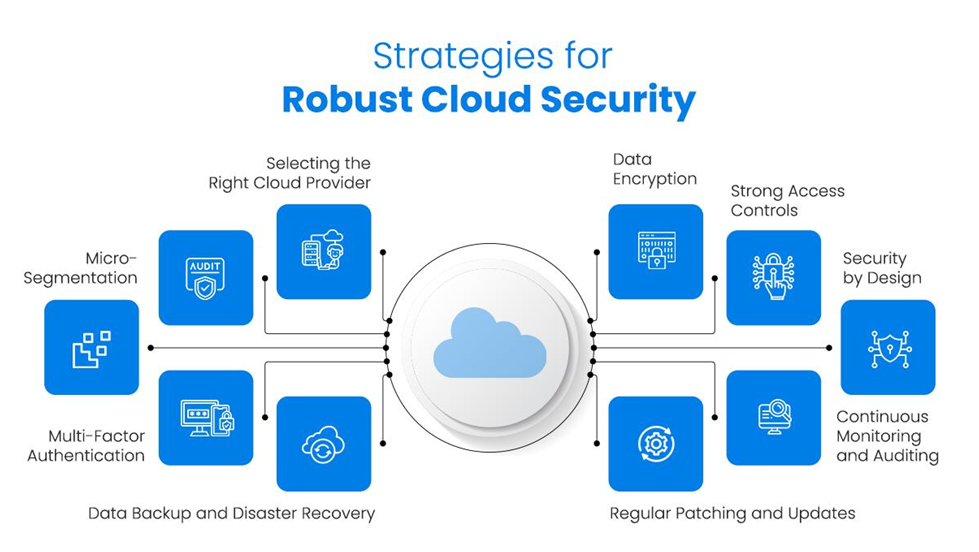
Building a Strong Cloud Security Strategy
Cloud adoption should be supported by a clear security strategy.
Businesses should understand which systems and data are being moved to the cloud and identify the level of protection required for each resource.
A strong cloud security strategy may include:
- Identity and access management
- Multi-factor authentication
- Data encryption
- Security monitoring
- Secure configuration management
- Backup and recovery planning
- Vulnerability assessments
- Security policies and procedures
The right approach depends on the organization’s infrastructure, applications, data, and business requirements.
Why Businesses Need Proactive IT Security
Cybersecurity should not be treated as a one-time project.
Technology environments continuously change. New applications are introduced, employees join or leave organizations, cloud resources are modified, and new vulnerabilities can emerge.
This makes continuous monitoring, regular assessments, and ongoing improvement important parts of effective IT security solutions.
A proactive approach helps organizations identify potential issues earlier and maintain a more resilient technology environment.

The Business Benefits of Better Cybersecurity
Investing in cybersecurity is not only about preventing cyberattacks.
A strong security strategy can also help businesses:
- Protect sensitive business information
- Improve operational resilience
- Reduce technology-related risks
- Strengthen customer confidence
- Support secure digital transformation
- Improve IT reliability
- Prepare for future technology changes
When cybersecurity becomes part of the broader IT strategy, businesses can adopt new technologies with greater confidence.
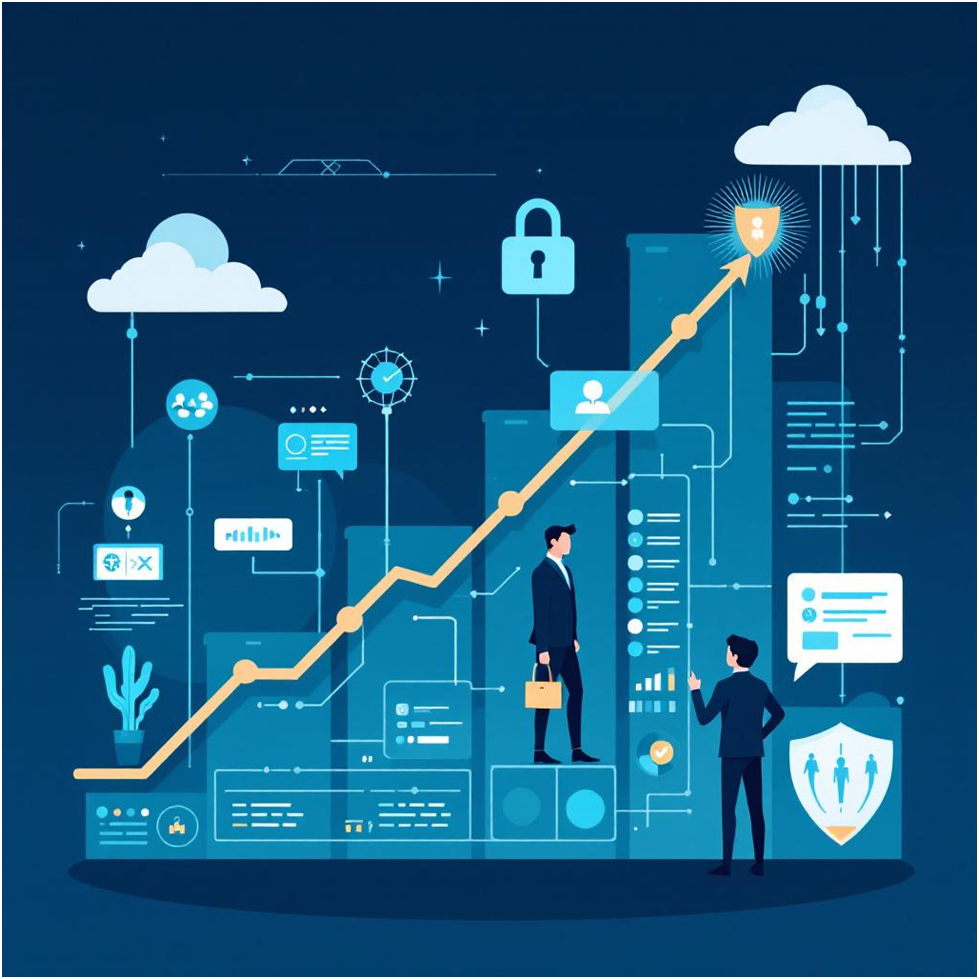
How Arav Innovations Can Help
Modern businesses need technology that is innovative, reliable, and secure.
Arav Innovations helps businesses strengthen their technology environment through strategic IT solutions, cybersecurity, cloud solutions, and digital transformation.
Its approach focuses on understanding the existing technology environment, identifying business and security requirements, developing a suitable strategy, implementing solutions, and providing ongoing support.
For businesses looking for cybersecurity consulting services, cloud security services, or IT security consulting, a strategic approach can help ensure that technology investments support both security and long-term business objectives.
By combining technology with business-focused strategy, organizations can build stronger digital foundations and prepare for future growth.
Conclusion
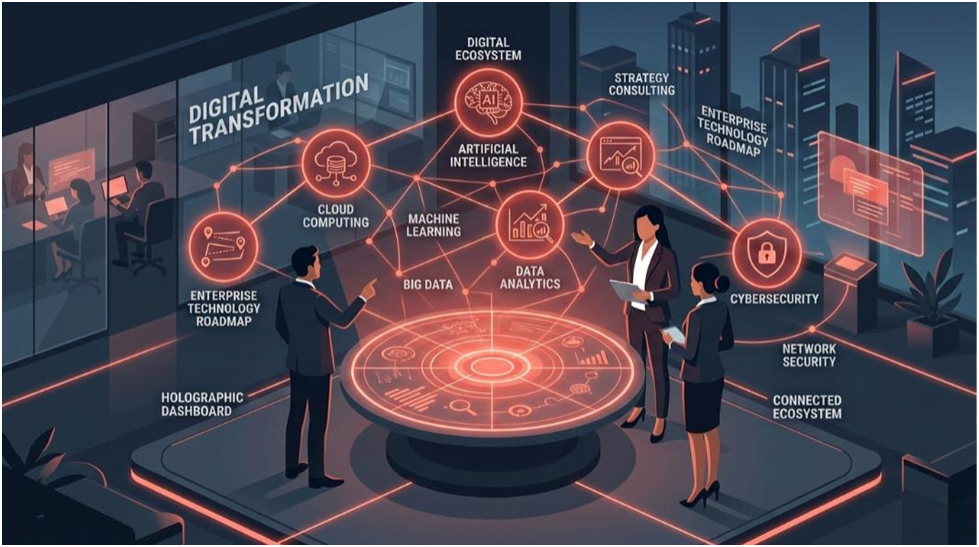
Digital transformation has created significant opportunities for modern businesses, but it has also made cybersecurity more important than ever.
From protecting sensitive information to securing cloud environments, organizations need a proactive approach to managing digital risks.
Cybersecurity and cloud solutions should not be viewed as separate technical requirements. They should be integrated into the broader IT and business strategy.
Regular security assessments, strong access controls, employee awareness, secure cloud practices, continuous monitoring, and effective security policies can help businesses build a more resilient digital environment.
As technology continues to evolve, businesses that prioritize security alongside innovation will be better positioned to grow confidently and protect what matters most.
Secure technology. Smarter strategy. Sustainable growth.