
Introduction
Pay-Per-Click (PPC) advertising has evolved rapidly and in 2026 AI automation is no longer optionalit’s essential. With rising competition increasing ad costs and changing user behavior manual PPC management alone cannot deliver consistent results. This is where AI automation in PPC plays a critical role. From smart bidding to predictive targeting AI helps advertisers make faster data-driven decisions that improve performance and reduce wasted spend.
However using AI blindly can hurt campaigns. The smartest advertisers don’t replace humans with AI they combine automation with strategic control. This blog explains the smart way to use AI automation in PPC how it works, and why it is crucial for future-ready advertising.
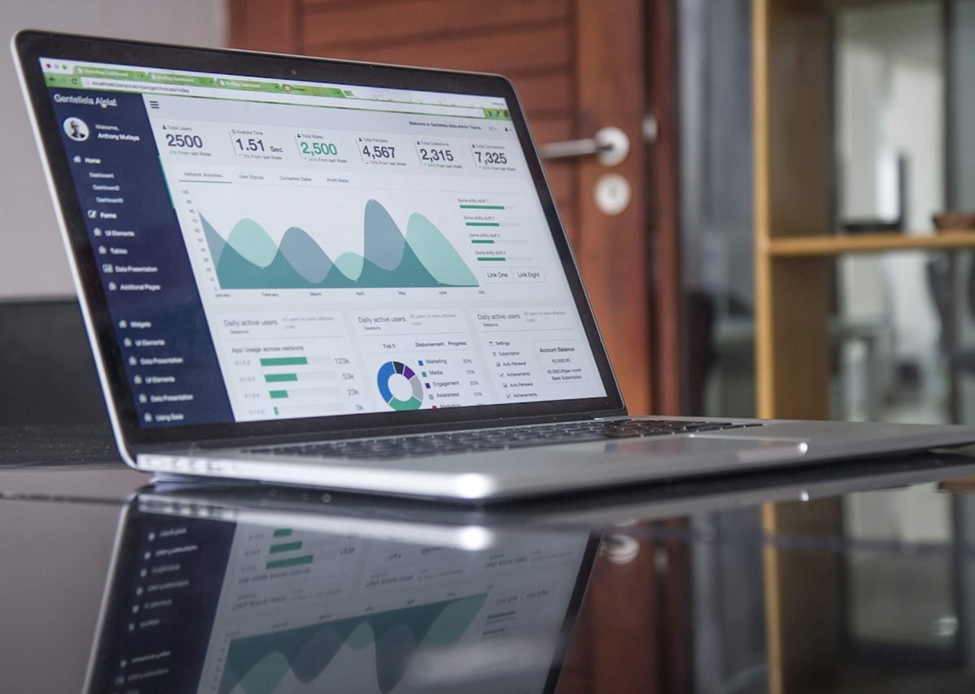
What Is AI Automation in PPC? AI automation in PPC refers to the use of machine learning and artificial intelligence to manage optimize and scale paid adcampaigns. Platforms like Google Ads and Meta Ads use AI to analyze massive amounts of data, including user intent, device behavior, location, timing, and conversion probability.
Key automated elements include:
- Smart bidding strategies
- Automated audience targeting
- Dynamic ad creatives
- Budget optimization
- Predictive performance analysis
When used correctly AI automation improves efficiency and ROI while saving time.
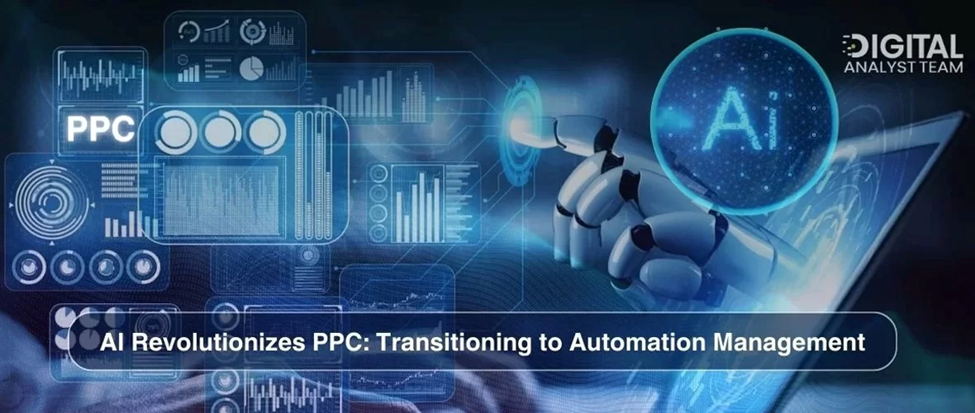
How AI Automation in PPC Works
In 2026 customer journeys are more complex than ever. Users interact across multiple devices platforms, and touchpoints before converting. AI helps advertisers adapt in real time.
Key benefits of AI automation in PPC:
- Faster optimization than manual methods
- Better targeting based on real behavior, not assumptions
- Improved conversion rates using predictive models
- Reduced cost per acquisition (CPA)
- Scalable campaign management
AI can process millions of signals per second something humans simply can’t do.
5 Proven AI Automation in PPC Strategies for Higher ROI
1. Use AI for Bidding, Not Strategy
Smart bidding strategies like Target CPA and Maximize Conversions work best when given clear goals. Let AI handle bid adjustments but humans should define objectives KPIs and business priorities.
Smart tip:
Set clear conversion actions and give AI enough data before judging performance.
2. Combine AI Targeting with Human Insights
AI audience targeting is powerful but it works best when guided. Instead of relying only on broad automation layer AI with:
- First-party customer data
- Website behavior insights
- Industry-specific knowledge
This hybrid approach improves accuracy and relevance.
3. Use AI-Generated Creatives with Manual Review
AI can generate headlines descriptions and visuals quickly. But not all AI creatives align with brand voice or messaging.
Best practice:
- Let AI generate variations
- Manually approve top-performing creatives
- Test emotional and value-driven messaging
This keeps your ads authentic and conversion-focused.
4. Automate Budget Allocation Across Campaigns
AI can automatically shift budgets toward high-performing campaigns and keywords. This prevents wasted spend on underperforming ads. Smart approach:
- Set minimum and maximum budget limits
- Review AI budget decisions weekly
- Adjust based on seasonal trends
5. Use Predictive Analytics for Scaling
AI doesn’t just optimize current campaigns it predicts future performance. This helps advertisers identify:
- High-intent audiences
- Best conversion times
- Growth opportunities
- Predictive insights allow smarter scaling with lower risk.
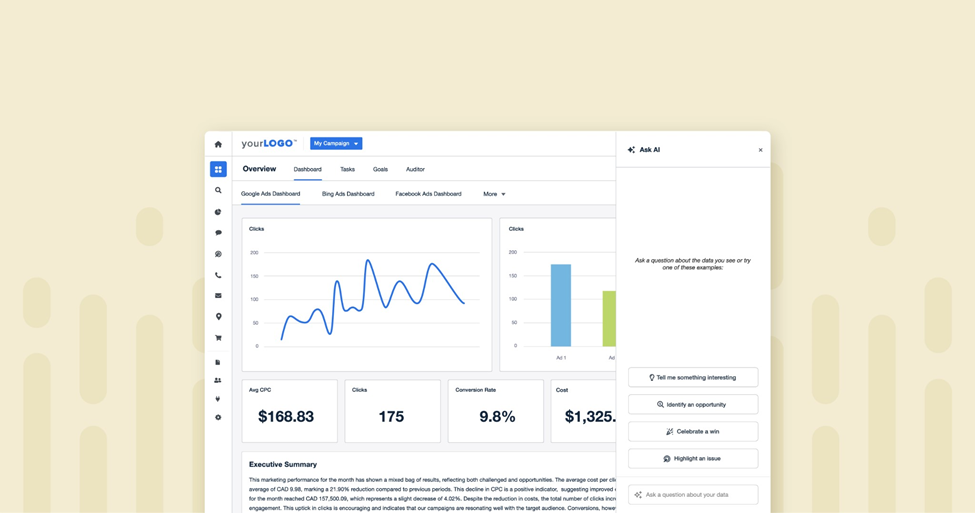
Common Mistakes to Avoid with AI Automation
Despite its power AI automation can fail if misused.
Avoid these mistakes:
- Launching AI campaigns with no historical data
- Ignoring search term and placement reports
- Trusting automation without regular audits
- Using broad goals without clear conversion tracking
AI learns from inputs bad data leads to poor results.
Future Value of AI Automation in PPC
The future of PPC is AI-first but human-guided. As privacy rules tighten and third-party cookies disappear AI will rely more on contextual and behavioral signals.
In the coming years:
- AI PPC specialists will be in high demand
- Businesses using AI automation will gain cost advantages
- Manual PPC management will become inefficient
- Performance marketing will shift toward predictive models
Advertisers who learn to work with AI not against it will dominate digital advertising.
Conclusion
AI automation is transforming PPC advertising, but success depends on how smartly it is used. The real power of AI lies in combining automation with human strategy creativity and oversight. By letting AI handle data-heavy tasks like bidding, targeting, and optimization while humans focus on goals, messaging, and analysis businesses can achieve sustainable growth.
In 2026 and beyond, the smartest PPC marketers won’t ask whether to use AI automation. They’ll focus on how to use it the right way.
According to Google Ads official documentation, AI-powered automation improves smart bidding and campaign performance.